_1137.png?v=1788503569)
 Breaking News

Dr Julius Debrah – Chief of Staff. The Chief of Staff at the Office of the President, Dr. Julius Samuel Debrah, has made a bold statement that should make supporters of the various political parties to understand the working of journalists and not equate, media scrutiny with disloyalty. What it means is that media searchlights rather put politicians, and their appointees on their toes. Speaking at the launch of the 30th Ghana Journalists Association Media Awards in Accra on Wednesday, October 7, 2026, he used the platform to affirm his faith in press freedom, and reminded public officials of their responsibility to answer legitimate questions, and urged journalists to protect truth in an era shaped by speed, technology and digital disruption. Dr. Debrah’s message deserves to move beyond the event venue at the Kempinski Hotel Gold Coast City into newsrooms, ministries, district assemblies, political offices, courts, campuses and communities. In any democracy, scrutiny is not an attack on authority; it is a safeguard of the public interest. Public office is a trust, and those who hold it must expect questions as part of their duty to citizens. The 30th GJA Media Awards mark more than an anniversary. It represents decades of the media’s contribution to Ghana’s democratic journey. Over the years, the media has exposed wrongdoing, amplified neglected voices, questioned policy, documented suffering and celebrated national progress. At its best, journalism has served as the nation’s conscience. Yet, this milestone arrives at a critical moment. Ghanaian journalism stands at the crossroads of freedom and responsibility, speed and accuracy, technology and ethics. The newsroom is no longer limited to traditional media houses. Today, it includes smartphones, livestreams, blogs, podcasts, TikTok commentaries and WhatsApp messages that can reach thousands within minutes. This digital transformation has democratized public expression. It has created jobs, empowered young content creators and allowed ignored communities to tell their own stories. A bad road, a neglected patient or a flood-hit community can now gain national attention through a single viral video. This is progress. But without discipline, such progress can become dangerous. The same digital tools that expose injustice can also spread falsehood, destroy reputations and fuel propaganda, blackmail and division. In the current information age, a lie does not need a printing press; it needs only data, outrage and a share button. That is why Dr. Debrah’s statement matters. His reminder that government cannot serve well if it hears only applause is both significant and commendable. Coming from the chief of staff, it signals an important understanding that governance is strengthened, not weakened, by accountability. A journalist asking about a stalled road project, a procurement concern or violence against citizens is not an enemy of development or national security. To question is not to sabotage; often, it is service to the republic. For this reason, Dr. Debrah deserves commendation for using such an important platform to defend serious journalism. In a climate where criticism is sometimes mistaken for opposition, his message was refreshing. It reminded public officials that the media’s duty is not to praise power but to examine it. It also reminded journalists that their influence must be exercised with fairness, care and conscience. However, the media must also recognize that freedom is weakened when abused. Press freedom is not a licence for carelessness. A headline is not a verdict, an allegation is not a fact, and a rumour is not a scoop. The desire to be first must never defeat the responsibility to be accurate. Journalists, bloggers, producers, presenters and digital creators must return to the core principles of the profession: verify before publishing, seek the other side, separate fact from opinion, correct mistakes openly, protect the vulnerable, respect privacy and disclose conflicts of interest. Every story affects real people, real families and real reputations. The public also has a responsibility. Citizens cannot demand ethical journalism while rewarding sensationalism with clicks and shares. Society cannot condemn misinformation publicly and circulate it privately. Strong journalism requires public support because investigations, fact-checking, legal defence and professional reporting all require resources. As the GJA celebrates 30 editions of its awards, it must treat the milestone as both celebration and challenge. The awards should not only recognize the already visible. They must also search for excellence in district radio stations, community newspapers, online platforms, investigative desks, photojournalism, and data journalism. They must also look out for environmental reporting, health reporting and stories told in Ghanaian languages. Somewhere in a small newsroom, a young reporter may be doing brave, ethical and impactful work without glamour or recognition. The awards must find such journalists. The Awards Committee therefore carries an important responsibility. Its work must be transparent, independent and credible. Award-winning journalism must not be judged by popularity, political convenience or social media noise. It must be judged by accuracy, originality, courage, public impact, ethical discipline, depth of research and service to citizens. In an age where artificial intelligence can create realistic text, images and voices, verified journalism will become even more valuable. The future will belong not to those who publish fastest, but to those who can be trusted most. Ghana will need journalists who understand technology, data, law, climate, finance, security and human rights. It will need editors who resist political and commercial pressure, media owners who value integrity, officials who accept criticism, and citizens who can distinguish journalism from noise. The Awards launch itself was more than a ceremony. It was a mirror held up to Ghana’s media and democracy. It challenged the nation to ask: Are journalists who expose wrongdoing being protected? Are public institutions responding to legitimate questions? Are media houses investing in training? Are journalists correcting errors with humility? Are digital creators being included in conversations about ethics? Are citizens supporting truth or merely consuming spectacle? The answers to these questions will shape the quality of Ghana’s democracy. For all its imperfections, Ghana’s media remains a strong pillar of public accountability. It has helped keep citizens informed, power answerable and democracy alive. That role must not be surrendered to fear, partisanship, speed or profit. It must be renewed with courage and conscience. Scrutiny is not disloyalty. It is democracy breathing. It is the citizen’s eye on power and the nation’s early warning system. Dr. Julius Samuel Debrah’s speech may have been brief, but its message was powerful. It was a welcome affirmation of the media’s constitutional and moral role in national life. As Ghana prepares to honour the finest works of journalism, one truth must guide the celebration: the best journalism does not exist to embarrass government, flatter opposition, entertain the crowd or chase applause. It exists to serve the public. And in a republic worthy of its name, that service is not a threat. It is a duty. By Innocent Samuel Appiah The post Media scrutiny should not be mistaken for disloyalty appeared first on Ghana Business News.
Media scrutiny should not be mistaken for disloyalty
The Chief of Staff at the Office of the President, Dr. Julius Samuel Debrah, has made a bold statement that should make supporters of the various political parties to understand the working of journalists and not equate, media scrutiny with disloyalty. What it...
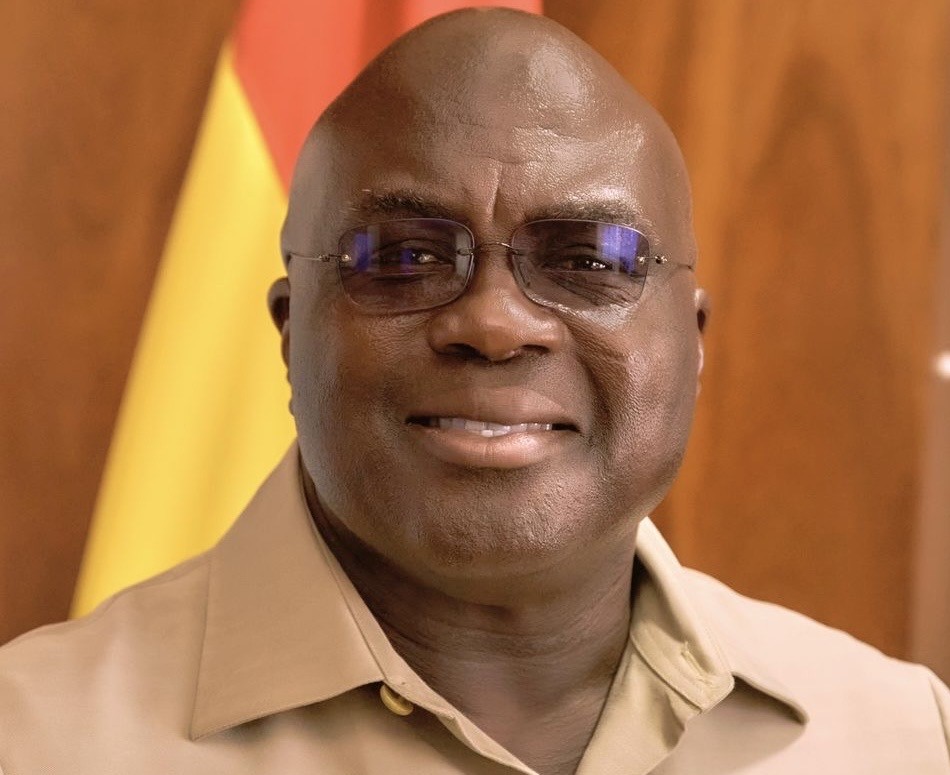
Dr Julius Debrah – Chief of Staff.
The Chief of Staff at the Office of the President, Dr. Julius Samuel Debrah, has made a bold statement that should make supporters of the various political parties to understand the working of journalists and not equate, media scrutiny with disloyalty. What it means is that media searchlights rather put politicians, and their appointees on their toes.
Speaking at the launch of the 30th Ghana Journalists Association Media Awards in Accra on Wednesday, October 7, 2026, he used the platform to affirm his faith in press freedom, and reminded public officials of their responsibility to answer legitimate questions, and urged journalists to protect truth in an era shaped by speed, technology and digital disruption.
Dr. Debrah’s message deserves to move beyond the event venue at the Kempinski Hotel Gold Coast City into newsrooms, ministries, district assemblies, political offices, courts, campuses and communities. In any democracy, scrutiny is not an attack on authority; it is a safeguard of the public interest. Public office is a trust, and those who hold it must expect questions as part of their duty to citizens.
The 30th GJA Media Awards mark more than an anniversary. It represents decades of the media’s contribution to Ghana’s democratic journey. Over the years, the media has exposed wrongdoing, amplified neglected voices, questioned policy, documented suffering and celebrated national progress. At its best, journalism has served as the nation’s conscience.
Yet, this milestone arrives at a critical moment. Ghanaian journalism stands at the crossroads of freedom and responsibility, speed and accuracy, technology and ethics. The newsroom is no longer limited to traditional media houses. Today, it includes smartphones, livestreams, blogs, podcasts, TikTok commentaries and WhatsApp messages that can reach thousands within minutes.
This digital transformation has democratized public expression. It has created jobs, empowered young content creators and allowed ignored communities to tell their own stories. A bad road, a neglected patient or a flood-hit community can now gain national attention through a single viral video. This is progress. But without discipline, such progress can become dangerous.
The same digital tools that expose injustice can also spread falsehood, destroy reputations and fuel propaganda, blackmail and division. In the current information age, a lie does not need a printing press; it needs only data, outrage and a share button.
That is why Dr. Debrah’s statement matters. His reminder that government cannot serve well if it hears only applause is both significant and commendable. Coming from the chief of staff, it signals an important understanding that governance is strengthened, not weakened, by accountability. A journalist asking about a stalled road project, a procurement concern or violence against citizens is not an enemy of development or national security. To question is not to sabotage; often, it is service to the republic.
For this reason, Dr. Debrah deserves commendation for using such an important platform to defend serious journalism. In a climate where criticism is sometimes mistaken for opposition, his message was refreshing. It reminded public officials that the media’s duty is not to praise power but to examine it. It also reminded journalists that their influence must be exercised with fairness, care and conscience.
However, the media must also recognize that freedom is weakened when abused. Press freedom is not a licence for carelessness. A headline is not a verdict, an allegation is not a fact, and a rumour is not a scoop. The desire to be first must never defeat the responsibility to be accurate.
Journalists, bloggers, producers, presenters and digital creators must return to the core principles of the profession: verify before publishing, seek the other side, separate fact from opinion, correct mistakes openly, protect the vulnerable, respect privacy and disclose conflicts of interest. Every story affects real people, real families and real reputations.
The public also has a responsibility. Citizens cannot demand ethical journalism while rewarding sensationalism with clicks and shares. Society cannot condemn misinformation publicly and circulate it privately. Strong journalism requires public support because investigations, fact-checking, legal defence and professional reporting all require resources.
As the GJA celebrates 30 editions of its awards, it must treat the milestone as both celebration and challenge. The awards should not only recognize the already visible. They must also search for excellence in district radio stations, community newspapers, online platforms, investigative desks, photojournalism, and data journalism.
They must also look out for environmental reporting, health reporting and stories told in Ghanaian languages. Somewhere in a small newsroom, a young reporter may be doing brave, ethical and impactful work without glamour or recognition. The awards must find such journalists.
The Awards Committee therefore carries an important responsibility. Its work must be transparent, independent and credible. Award-winning journalism must not be judged by popularity, political convenience or social media noise. It must be judged by accuracy, originality, courage, public impact, ethical discipline, depth of research and service to citizens.
In an age where artificial intelligence can create realistic text, images and voices, verified journalism will become even more valuable. The future will belong not to those who publish fastest, but to those who can be trusted most. Ghana will need journalists who understand technology, data, law, climate, finance, security and human rights. It will need editors who resist political and commercial pressure, media owners who value integrity, officials who accept criticism, and citizens who can distinguish journalism from noise.
The Awards launch itself was more than a ceremony. It was a mirror held up to Ghana’s media and democracy. It challenged the nation to ask: Are journalists who expose wrongdoing being protected? Are public institutions responding to legitimate questions? Are media houses investing in training? Are journalists correcting errors with humility? Are digital creators being included in conversations about ethics? Are citizens supporting truth or merely consuming spectacle?
The answers to these questions will shape the quality of Ghana’s democracy.
For all its imperfections, Ghana’s media remains a strong pillar of public accountability. It has helped keep citizens informed, power answerable and democracy alive. That role must not be surrendered to fear, partisanship, speed or profit. It must be renewed with courage and conscience.
Scrutiny is not disloyalty. It is democracy breathing. It is the citizen’s eye on power and the nation’s early warning system. Dr. Julius Samuel Debrah’s speech may have been brief, but its message was powerful. It was a welcome affirmation of the media’s constitutional and moral role in national life.
As Ghana prepares to honour the finest works of journalism, one truth must guide the celebration: the best journalism does not exist to embarrass government, flatter opposition, entertain the crowd or chase applause. It exists to serve the public. And in a republic worthy of its name, that service is not a threat. It is a duty.
By Innocent Samuel Appiah
The post Media scrutiny should not be mistaken for disloyalty appeared first on Ghana Business News.Read the full article at Ghana Business News
Article details
- Published
- October 15, 2026
- Last updated
- October 17, 2026
- Written by
- Wade Wilson
- Category
- Politics
- Reading time
- 6 min read
- Views
- 2